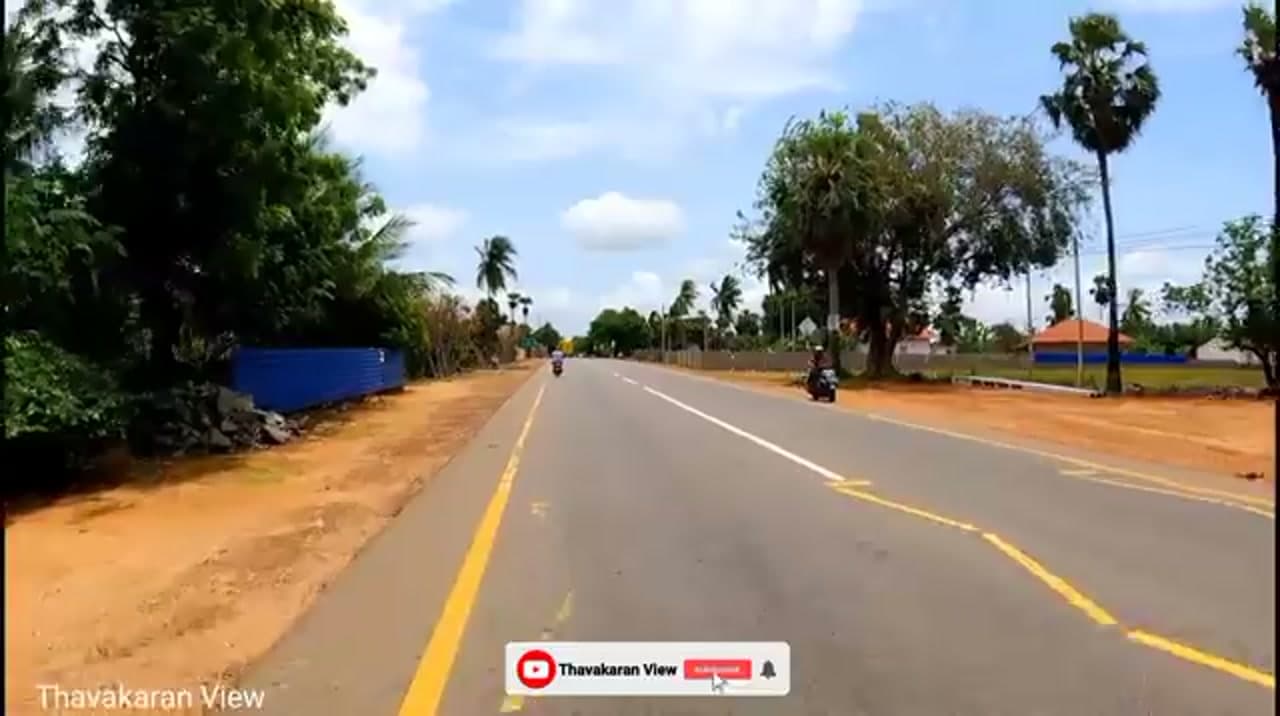
The A9 highway through Pallai, Pachchilaipalli

பச்சிலைப்பள்ளி பற்றி

About Pachchilaipalli

'The village of green' — a land of paddy fields, palmyra groves, and lagoons in the Kilinochchi District of northern Sri Lanka.

Overview

Pachchilaipalli (பச்சிலைப்பள்ளி) is one of four Divisional Secretariat divisions in the Kilinochchi District, Northern Province of Sri Lanka. Located approximately 40 km south of Jaffna, its administrative headquarters is in the town of Pallai (பளை), situated on the A9 Kandy–Jaffna Highway.

The name Pachchilaipalli is a compound Tamil word: பச்சிலை (paccilai, 'green leaf') + பள்ளி (palli, 'village') — 'the village of green leaves,' reflecting the area's lush vegetation and agricultural character.

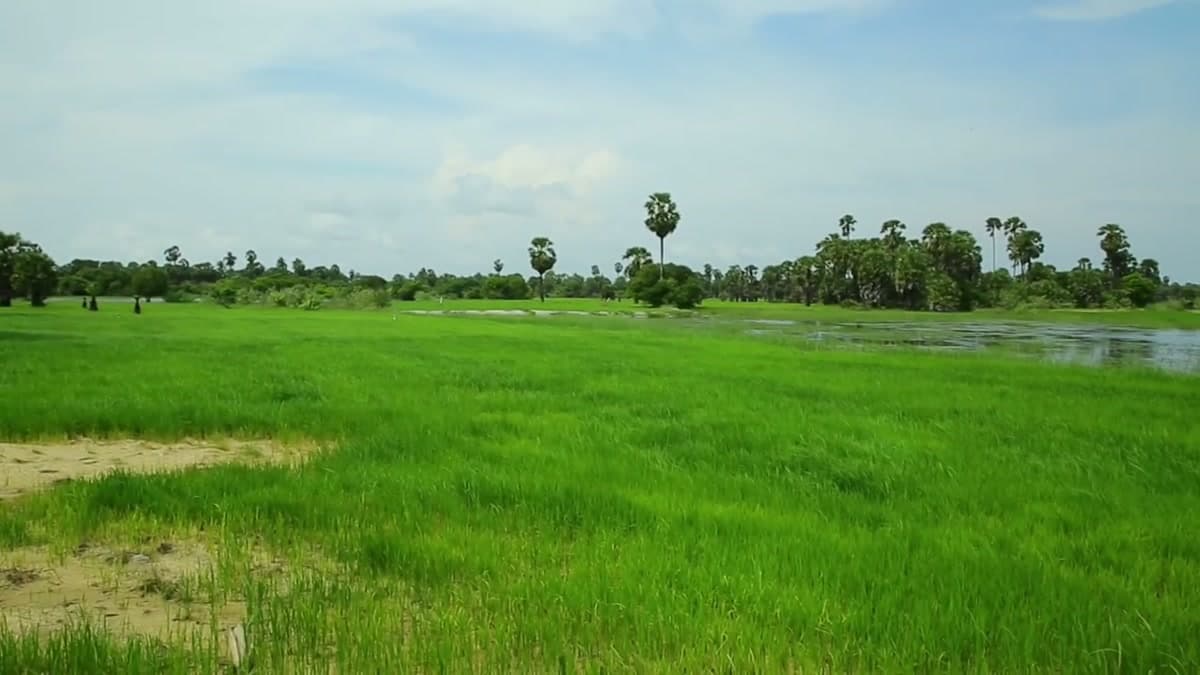
The terrain is flat — paddy fields, coconut plantations, palmyra groves, and fishing harbors. The division borders the Jaffna Lagoon to the northeast and contains several reservoirs. The population is 97.2% Sri Lankan Tamil, with 86.4% Hindu and 13.3% Christian.

District
Kilinochchi
Province
Northern
Area
~168 sq km
Population
13,045
Villages (GN)
18
Headquarters
Pallai

Population: Sri Lanka Census, 2024

வரலாறு

Our History

Ancient–1936
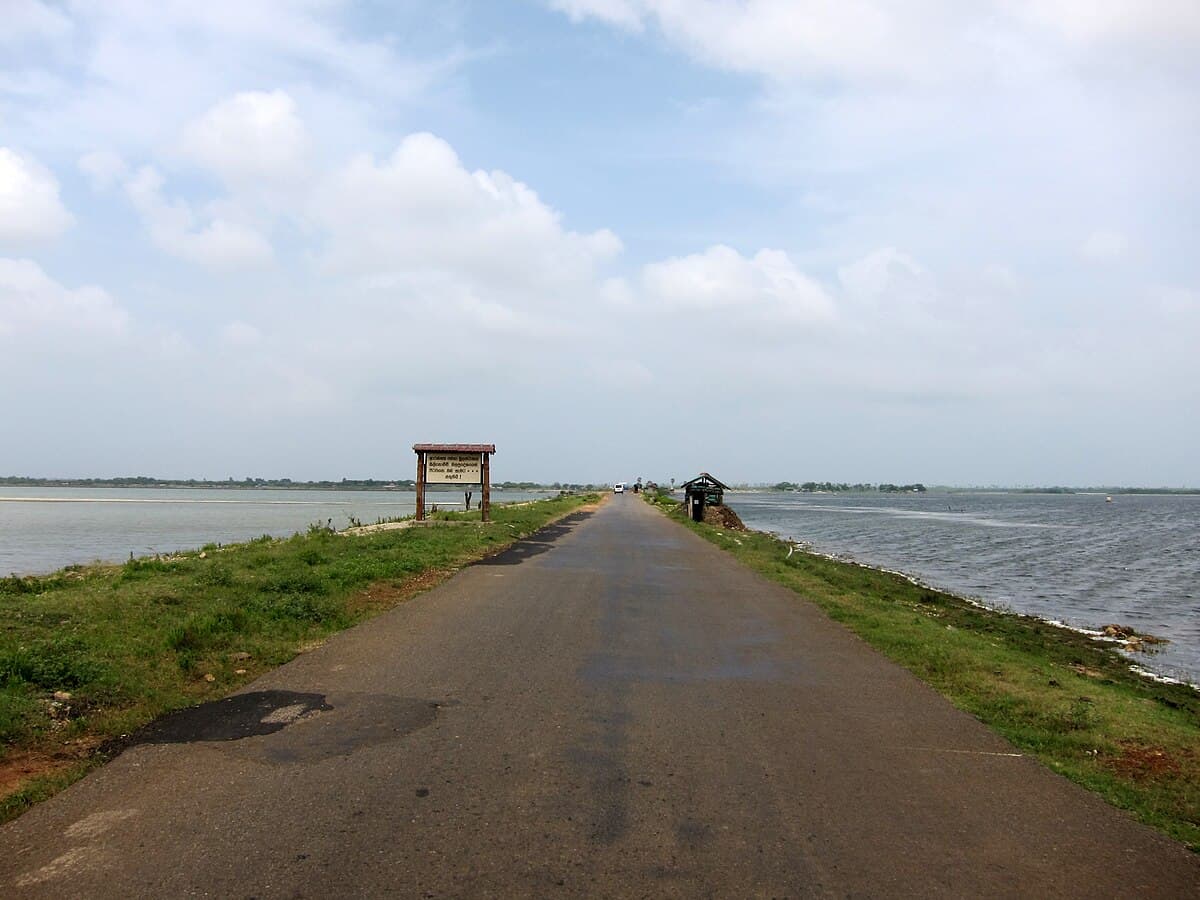
View of Elephant Pass, the strategic causeway

Ancient History and Colonial Rule

Pachchilaipalli lies in the historically Tamil-speaking Vanni region of northern Sri Lanka, with settlement stretching back centuries. The area encompasses Elephant Pass — the narrow causeway connecting the Jaffna Peninsula to the mainland — which made it strategically important through every era of colonial rule.

During Portuguese rule (16th–17th century), a fort was built at Elephant Pass and schools and churches were established in the Pulopallai area. The Dutch rebuilt the fort in 1776 and held annual elephant sales — elephants from the Vanni were driven through the narrow pass to Jaffna for export, giving Elephant Pass its name.

Under British rule, the Church Mission Society sent Rev. John Backus to Pallai in 1861, leading to the establishment of St. Andrew's Church (dedicated 30 November 1895).

1936–1983
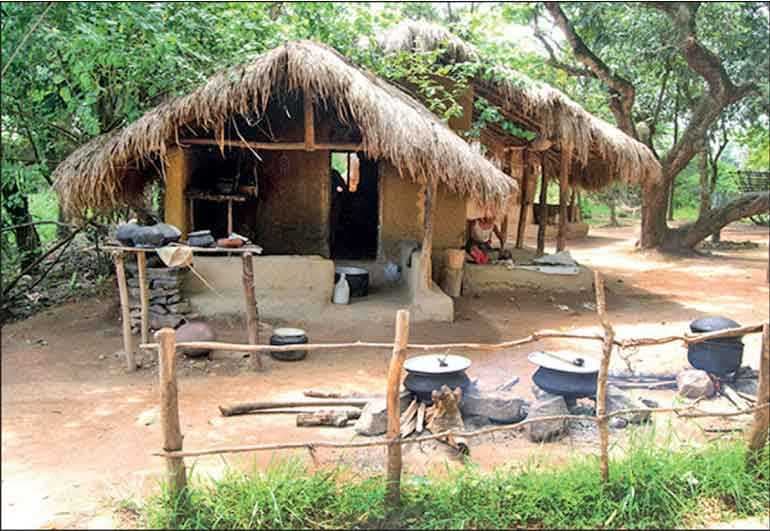
Village life in Pachchilaipalli

Village Life

Agricultural communities developed across 18 divisions through the efforts of local inhabitants. Pallai subsequently emerged as the central hub of the region, hosting Pallai Central College, Rettaikerny Amman Kovil, a railway station on the Colombo–Jaffna Northern Line, and a key market center for surrounding settlements.

The landscape was defined by paddy fields, coconut and palmyra plantations, and the waters of the Jaffna Lagoon. In 1938, the nearby Chundikkulam Lagoon was declared a bird sanctuary, recognizing the area's rich natural heritage. Village life revolved around agriculture, fishing, temples, schools, and strong community and family bonds.

The A9 Highway — Sri Lanka's main north–south artery — ran through the division, connecting Pachchilaipalli to Jaffna in the north and Colombo in the south. Pallai served as a crossroads for trade and transit.

1983–2009
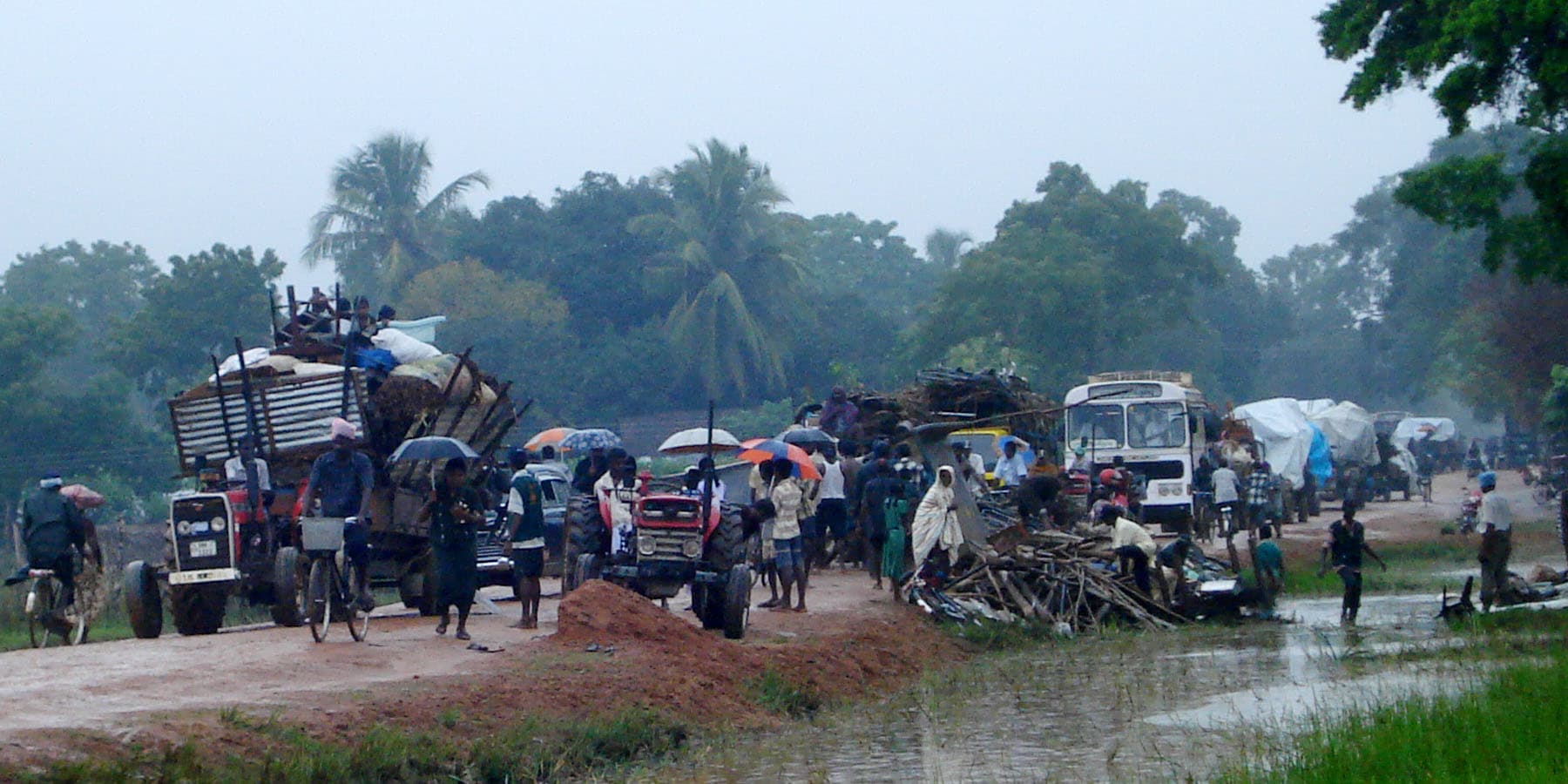
War displacement in Pachchilaipalli

The Civil War

Pachchilaipalli stood at the heart of the Sri Lankan civil war, with its proximity to Elephant Pass making it one of the most fiercely contested regions in the conflict. The Muhamalai Forward Defence Line — where opposing forces were positioned just 200 to 600 metres apart — became a prolonged frontline, witnessing years of intense fighting with little territorial change.

In April 2000, the Elephant Pass military complex fell to the Liberation Tigers of Tamil Eelam (LTTE) during the Second Battle of Elephant Pass, resulting in the deaths of over 1,000 soldiers and marking one of the most significant turning points of the war. Throughout the 2000s, repeated offensives and counteroffensives brought widespread devastation to the area, culminating in the final stages of conflict in late 2008 and January 2009.

The human toll was immense. Across Kilinochchi District, homes were extensively damaged or destroyed. More than 200,000 civilians from the wider Kilinochchi and Vanni regions were displaced, with many families forced to flee abroad — particularly to Canada, the United Kingdom, Europe, and Australia. The Pallai railway station remained non-operational from 1990 until 2014.

2009–Present
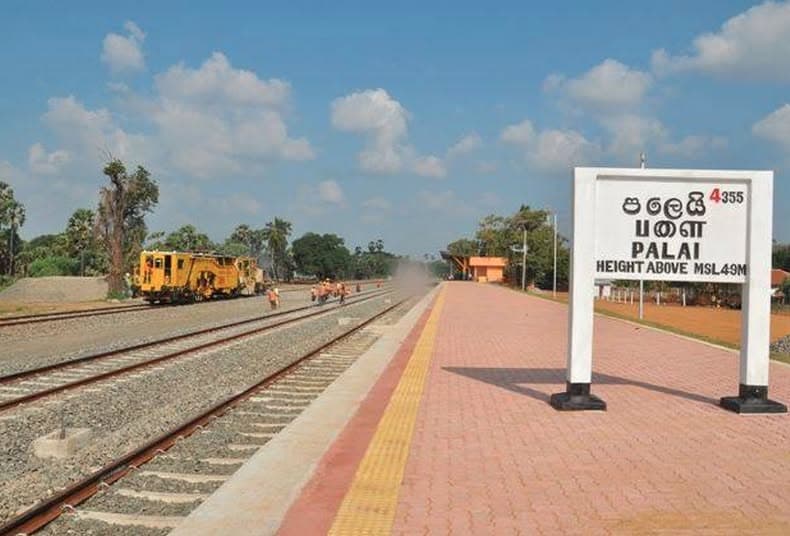
Train station rebuild in Pachchilaipalli

Rebuilding

Following the end of the war in May 2009, resettlement progressed gradually under the “Vadakkin Vasantham” (Northern Spring) programme. The population has since recovered slowly, reaching 13,045 according to the 2024 census — still significantly below pre-war levels. Women now make up the majority of the population, reflecting the heavy loss of male lives during the conflict.

The Pallai railway station reopened on 4 March 2014 with the restoration of the Northern Line between Kilinochchi and Pallai. In addition, two wind farms — Pollupalai and Vallimunai, with a combined capacity of 24 MW — were established along the shores of the Jaffna Lagoon, marking the first wind energy developments in the Northern Province.

Despite these developments, significant challenges remain. Seventeen of 18 villages still lack access to Advanced Level (A/L) school classes — only Pallai Central College offers them. Post-war poverty, limited employment, and household debt from housing reconstruction continue to affect many families. At the same time, the diaspora — scattered across Canada, the United Kingdom, and other parts of the world — continues to play an active role in preserving cultural heritage and supporting the region’s recovery.

எங்கள் மண்

Our Roots

Scenes from Pachchilaipalli — paddy fields, palmyra groves, temples, and the people who call this land home.

Pachchilaipalli Pirathesa Song — a tribute to our homeland

Lush green paddy fields with palmyra palms in Pachchilaipalli

Lush green paddy fields with palmyra palms in Pachchilaipalli

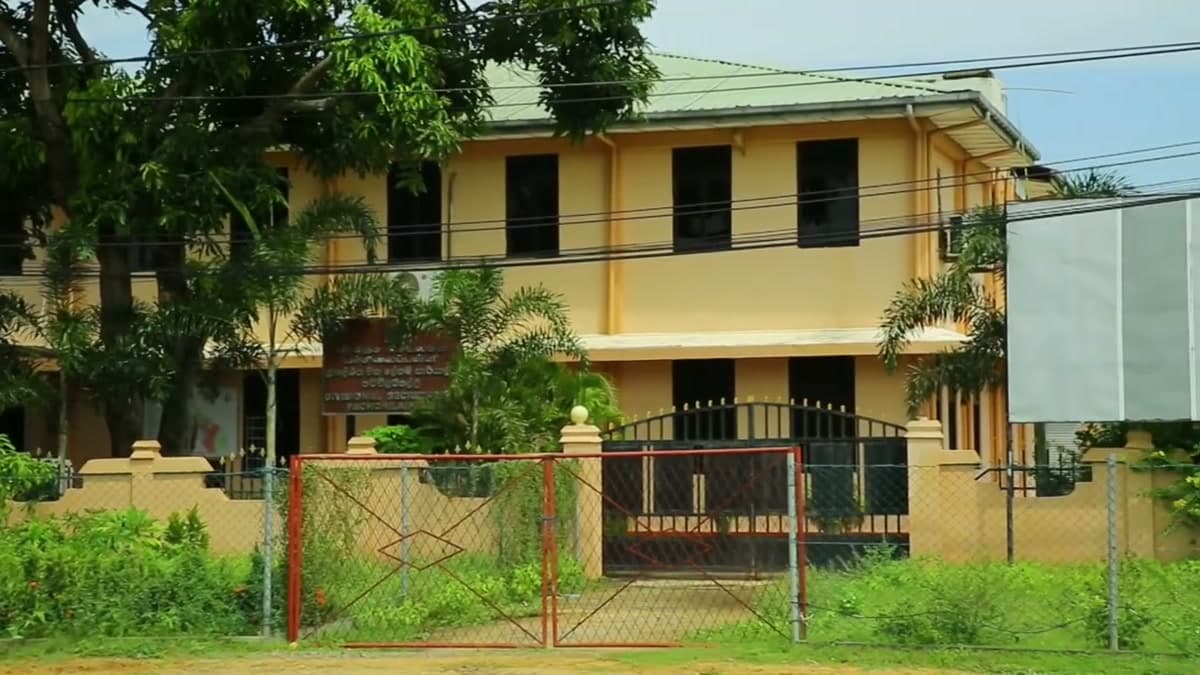
Government building in Pallai with red gate

Government building in Pallai with red gate

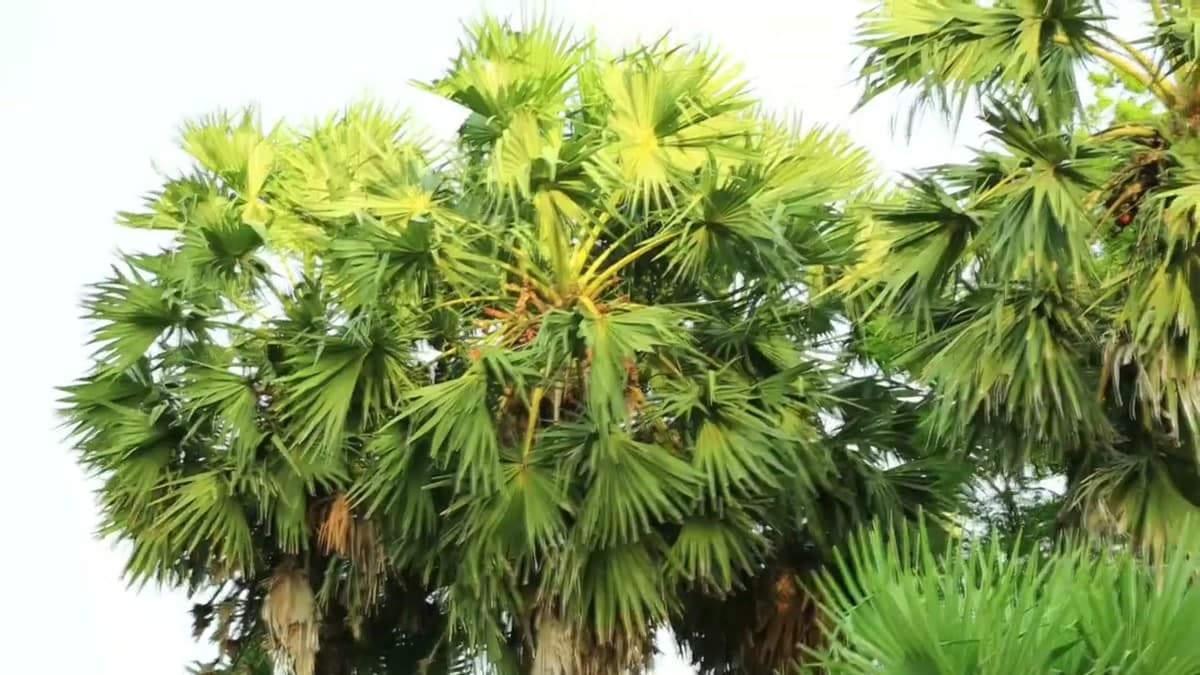
Palmyra palm canopy — an icon of the Northern Province

Palmyra palm canopy — an icon of the Northern Province

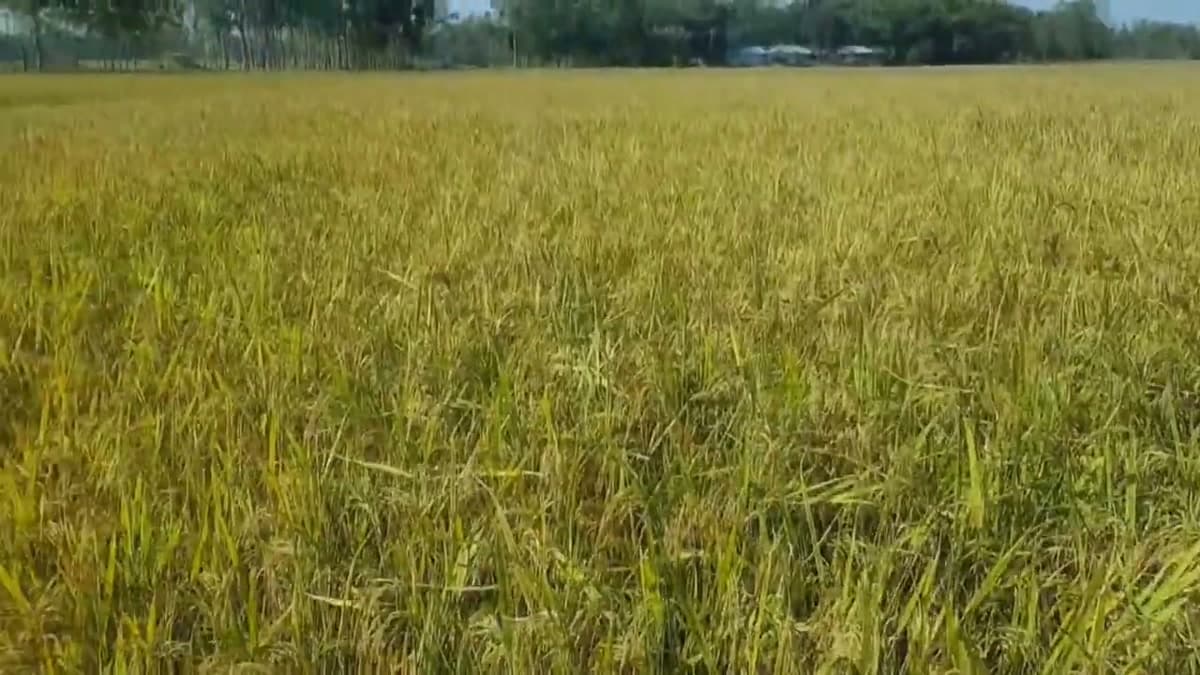
Golden rice paddy field ready for harvest

Golden rice paddy field ready for harvest

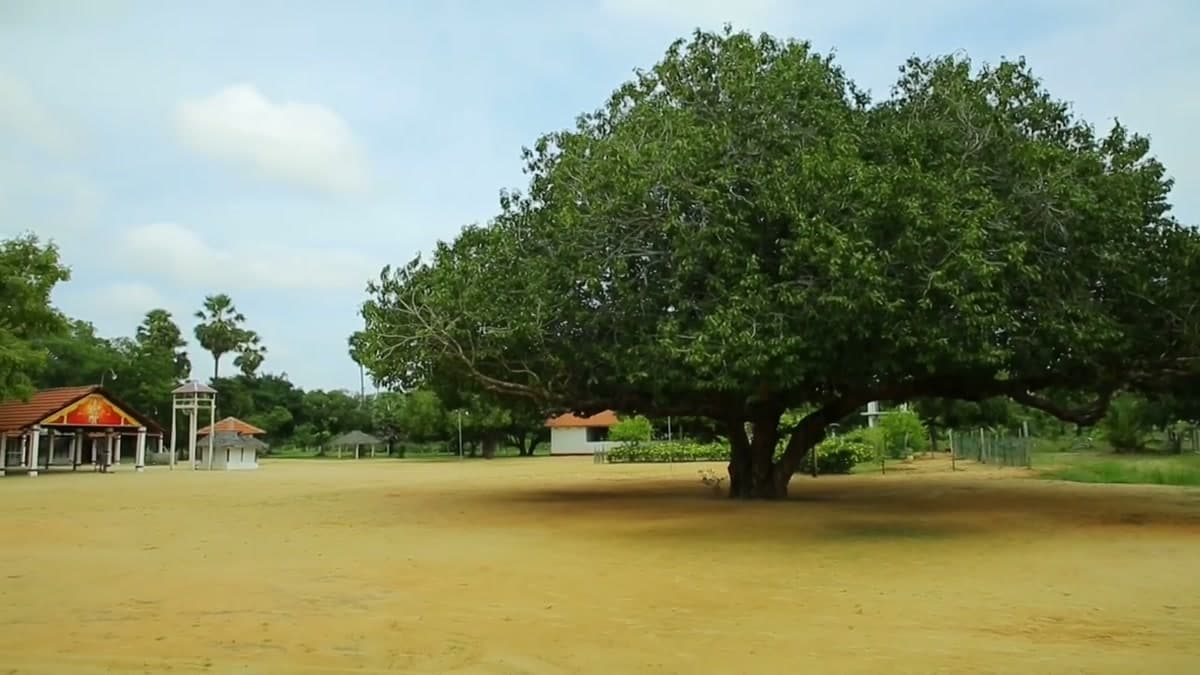
Large tree near temple grounds in Pachchilaipalli

Large tree near temple grounds in Pachchilaipalli

Traditional Tamil dance — feet with ankle bells

Traditional Tamil dance — feet with ankle bells

முக்கிய இடங்கள்

Notable Landmarks

Elephant Pass

ஆனையிறவு

The narrow causeway connecting the Jaffna Peninsula to the mainland. Named by the Dutch — elephants from the Vanni were driven through here for export. Site of the Elephant Pass War Memorial.

Pallai Railway Station

பளை புகையிரத நிலையம்

On the Northern Line (Colombo–Jaffna). Non-functional from 1990 to 2014 due to the war. Reopened 4 March 2014, reconnecting Pachchilaipalli to the national rail network.

Rettaikerny Amman Kovil

இரட்டைக்கேணி அம்மன் கோவில்

Hindu temple near Pallai Central College. One of the spiritual anchors of community life in Pachchilaipalli.

St. Andrew's Church

புனித ஆண்ட்ரூ தேவாலயம்

Church of Ceylon, established by the Church Mission Society in 1861 and dedicated on 30 November 1895. One of the oldest institutions in Pallai.
Chundikkulam Lagoon

சுண்டிக்குளம் கடற்கரை

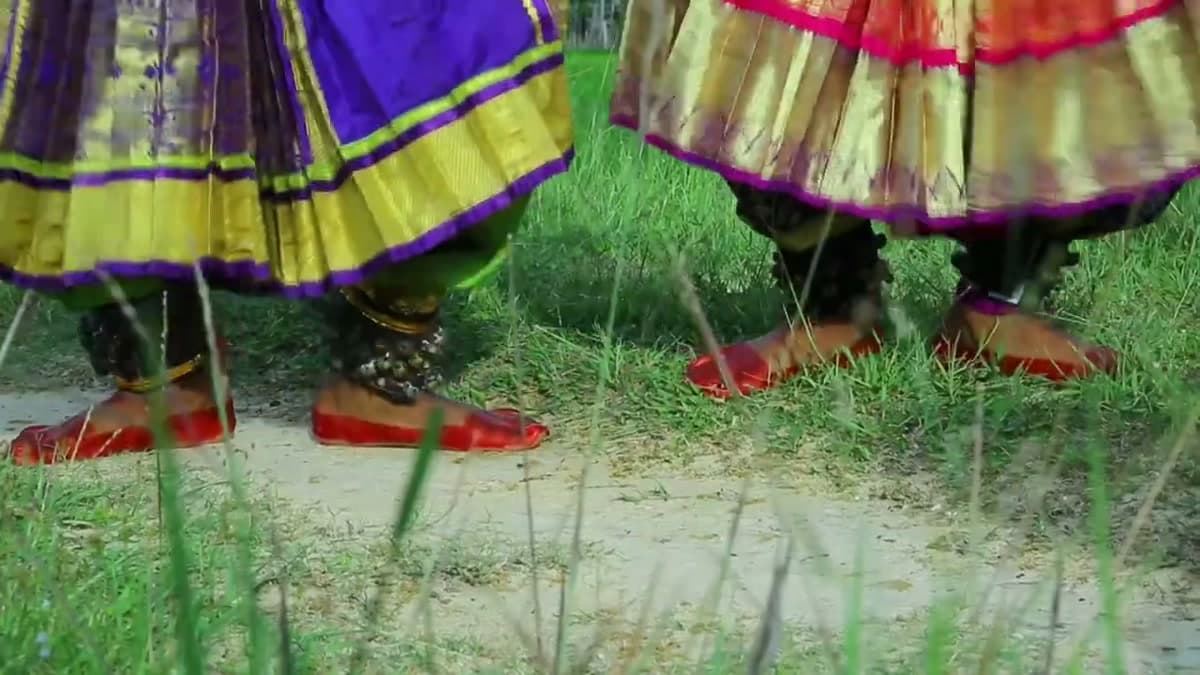
Brackish water lagoon declared a bird sanctuary in 1938. A key stop on the Central Asian Flyway for migratory birds, home to numerous water species.

Pallai Central College

பளை மத்திய கல்லூரி

The only school in the division offering A/L classes. 712 students enrolled. The educational heart of Pachchilaipalli — but 17 of 18 villages lack their own A/L school.

நிர்வாகக் குழு

Association Leadership

The leadership of the Pachchilaipalli Tamil Association of Canada, serving our community with dedication and purpose.

M

Mayatheepan Tharmakulasingam

Chair

தலைவர்

R

Risha Ranjith

Secretary

செயலாளர்

M

Mayuran Subramaniam

Treasurer

பொருளாளர்

Council Advisors ஆலோசகர்கள்

V

Vijitharan Vaithiyasoorar

Council Advisor

U

Uthayakumar Alagaratnam

Council Advisor

S

Swampillai Joseph

Council Advisor

P

Puvanenthiran (Eesan) Jayabalasingam

Council Advisor